When replacement is the right call
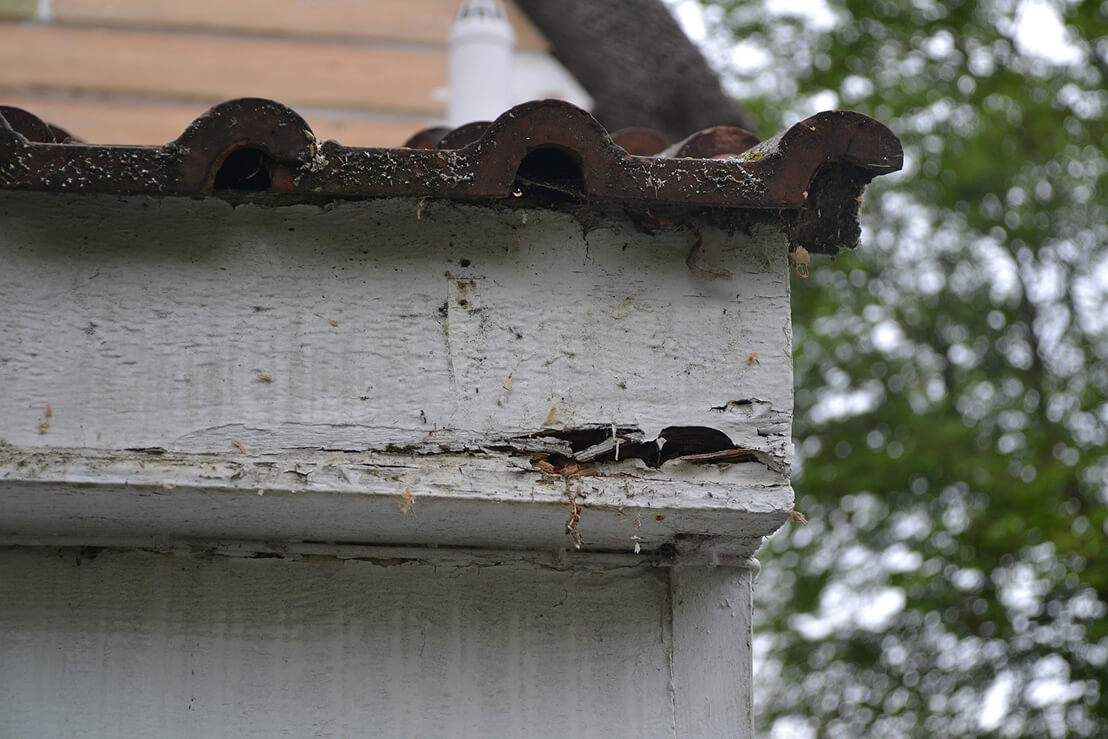
We are repairers first, and most rooflines can be repaired. But there is a point past which patching a fascia is throwing good money after bad: when rot runs along the length of the boards rather than sitting at the ends, when the soffit is sagging along a whole elevation, when the gutter brackets have nothing left to screw into, or when the felt behind the boards has perished and water has been getting into the rafter feet for years. At that point the honest advice is to strip the roofline back and start again — and to do it properly, once.
The houses where we see this most often across East Anglia are the post-war estates: the 1960s to 1980s softwood fascias on the Peterborough, Milton Keynes, Haverhill and Basildon expansions were never the best timber and are now fifty or sixty years old. Plywood and hardboard soffits from the same period fail even sooner. On these houses a full replacement is usually cheaper per year of service than repeated repairs.
The Cambridge houses that need the whole roofline
In the city, the houses where a full replacement is the honest recommendation are the later ones: the 1930s semis of Cherry Hinton, Coleridge and Queen Edith’s, with long fascia runs whose gutter joints have been dripping for decades; the post-war estates of Arbury and King’s Hedges, with softwood boards and hardboard soffits fitted sixty years ago; the 1960s and 70s developments in Trumpington and the villages, where the eaves felt has perished and water has been running behind the fascia into the rafter feet; and the 1990s houses of Cambourne and the village extensions, where first-generation uPVC capping over timber is now bowing. On the conservation-area streets — Central, Newnham, De Freville, Chesterton, Mill Road — and on anything with a moulded profile, we replace like-for-like in painted softwood or Accoya; on the plain rooflines of the semis and estates, uPVC is what most owners want and what we recommend. Mixing is fine: timber on the street elevation, uPVC at the back.
What a full replacement includes
- Complete removal of the old fascias, soffits, bargeboards and guttering — never capped over. Old timber is disposed of, not left in the loft.
- Inspection of the rafter feet and wall plate once the boards are off. Rotten rafter ends are cut back and spliced or sistered with new treated timber so the new boards go onto something solid.
- Eaves felt support trays under the bottom course of tiles, so water running off the underlay goes into the gutter and not behind the fascia.
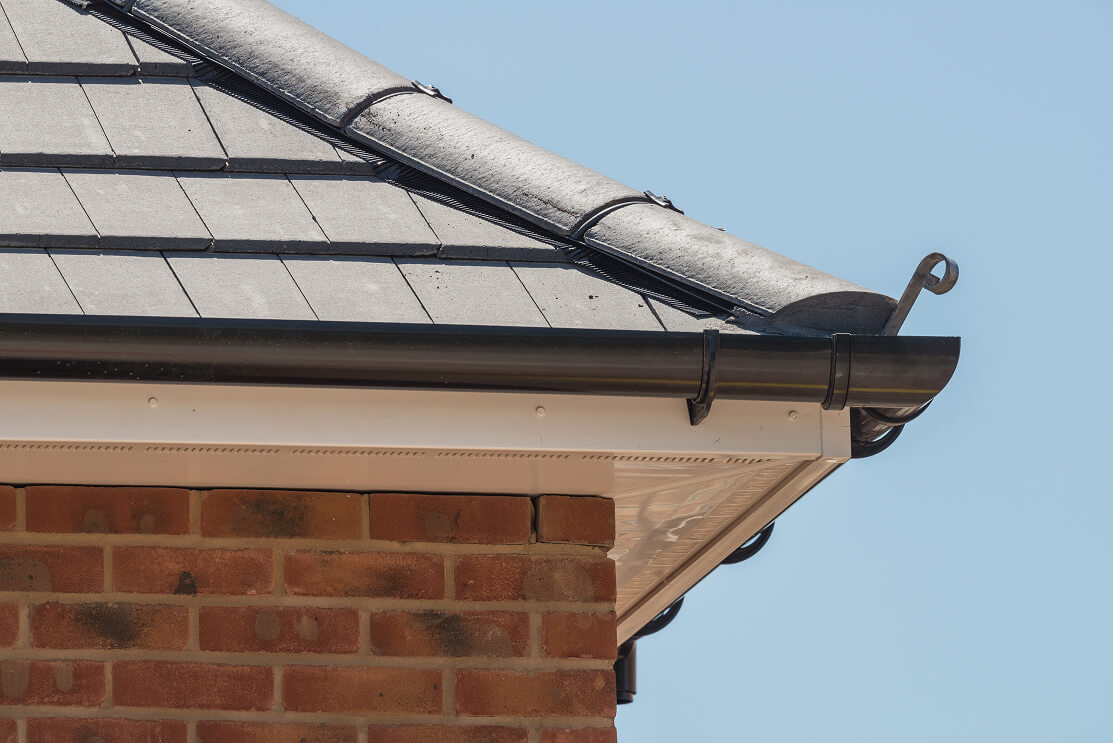
- New fascia and soffit boards in your choice of painted softwood, Accoya or uPVC, with the correct depth of fascia for the tile overhang and a soffit that clears the wall properly.
- Roof ventilation — over-fascia vents or a continuous vented soffit, so the roof space breathes. Many older houses had none, and a new airtight roofline without ventilation causes condensation in the loft.
- Bird combs and gutter guards where the tile profile leaves gaps at the eaves.
- New guttering and downpipes, set to the correct falls, with outlets and joints positioned sensibly rather than where the old ones happened to be.
- Decoration — timber is primed on all faces before fitting and painted or stained on completion.
Timber, Accoya or uPVC?
| Material | Best for | Life | Upkeep |
|---|---|---|---|
| Painted softwood | Period houses, conservation areas, like-for-like on listed buildings; any moulded or decorative profile | 15–25 years, longer if kept painted | Repaint every 5–8 years |
| Accoya | Period detail with a modern life span; exposed elevations; anyone who wants timber without the maintenance cycle | 50-year guarantee against rot above ground | Repaint every 8–12 years |
| uPVC | Post-war houses, bungalows and extensions; anyone who wants a maintenance-free roofline | 25–30 years | Occasional wash |
Softwood is the cheapest on the day and the most flexible in profile. Accoya is acetylated softwood — the same treatment as the Tricoya panels we use for repairs — which is dimensionally stable, does not rot, and holds paint for far longer than untreated timber; it is what we recommend where a customer wants timber for the look but does not want to be up a ladder every five years. uPVC is the sensible choice for the majority of post-war houses and is covered on its own page: uPVC fascias and soffits.
What it costs
Full replacement is priced per linear metre of roofline, and the range is wide because houses are: a straight terrace with two elevations is a different job from a detached house with hips, dormers and a bay. As a guide, timber replacement comes in at £50–£100 per metre supplied and fitted and uPVC at £40–£70, so a typical three-bedroom semi with 30–40 metres of roofline and new guttering lands between about £2,400 and £4,800. Scaffolding, rotten rafter ends, decorative profiles and awkward access move the figure, and the quote lists each of them separately so you can see what is driving it. Our cost guide works through the numbers for terraced, semi-detached and detached houses.
How the job runs
- Survey and written quote We measure the roofline, probe the boards, check the rafter feet where we can reach them and photograph the eaves. The quote separates the elevations and lists the material options, so you can choose uPVC on the back and timber on the front if that suits the house and the budget.
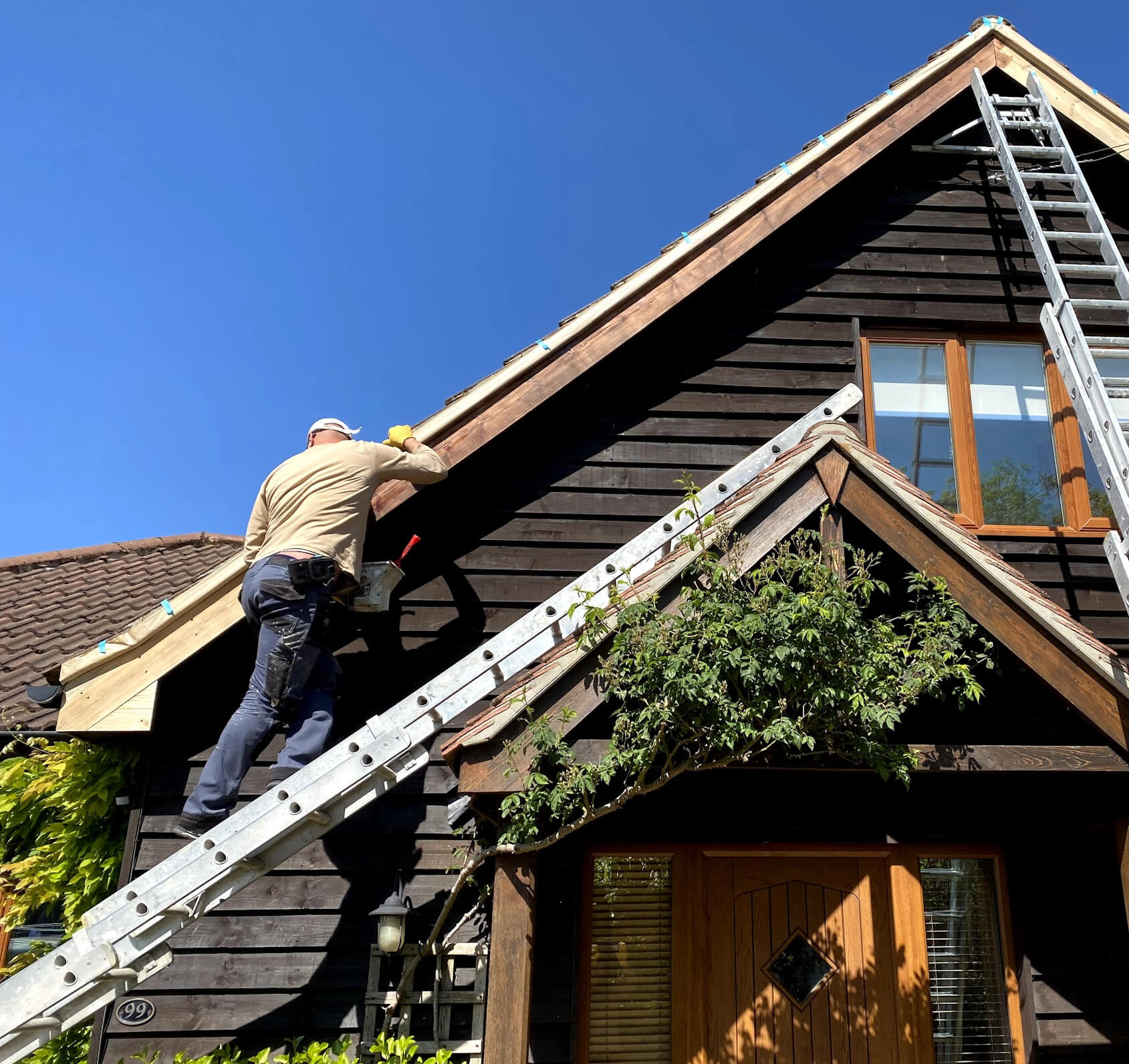
- Scaffold or tower Erected the day before or the morning of the job where it is needed. We work from a platform for a full replacement; it is safer and the finish is better.
- Strip out Gutters off, bottom course of tiles lifted, old boards down, rafter ends exposed and checked. Anything rotten is cut back and made good before a single new board goes up.
- Fit Eaves trays, new fascia and soffit, ventilation, bird combs, tiles relaid. Timber goes up primed; joints are glued and sealed; uPVC is fixed with the correct polytop pins and expansion gaps.
- Guttering and finish New gutters and downpipes set to fall, timber painted, site cleared, scaffold down. You get the photographs of the rafter ends before and after, and the guarantee paperwork.
Old building? Where the house is listed, or in a conservation area with an Article 4 direction, changing the material or profile of the roofline may need consent. We replace like-for-like in timber on these houses as a matter of course and can provide the description and photographs a conservation officer will ask for.
Fascia and soffit replacement across East Anglia
We replace rooflines throughout Cambridgeshire, Norfolk, Suffolk, Essex, Bedfordshire, Northamptonshire and Buckinghamshire: Cambridge, Peterborough and Huntingdon; Norwich and King's Lynn; Ipswich, Bury St Edmunds and Lowestoft; Colchester, Chelmsford and Southend; Bedford and Luton; Northampton, Kettering and Corby; Milton Keynes and Aylesbury, and the villages between. Send photographs of the eaves with your postcode for an idea of price, or book a survey.