The most exposed timber on the house
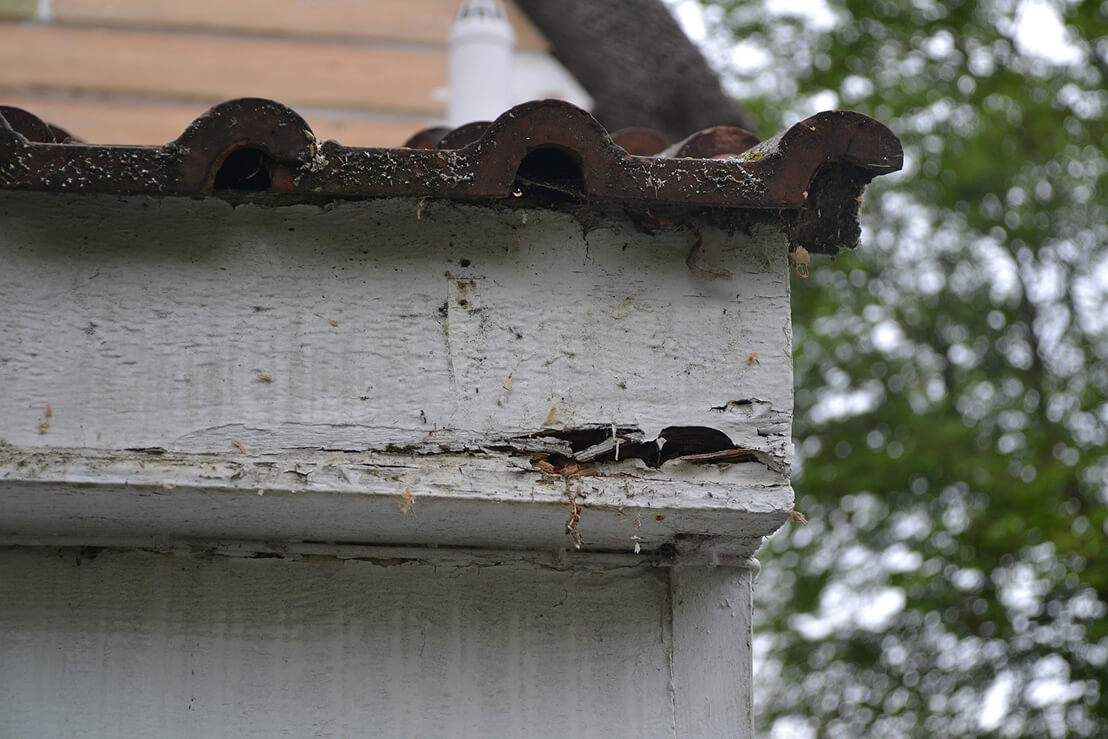
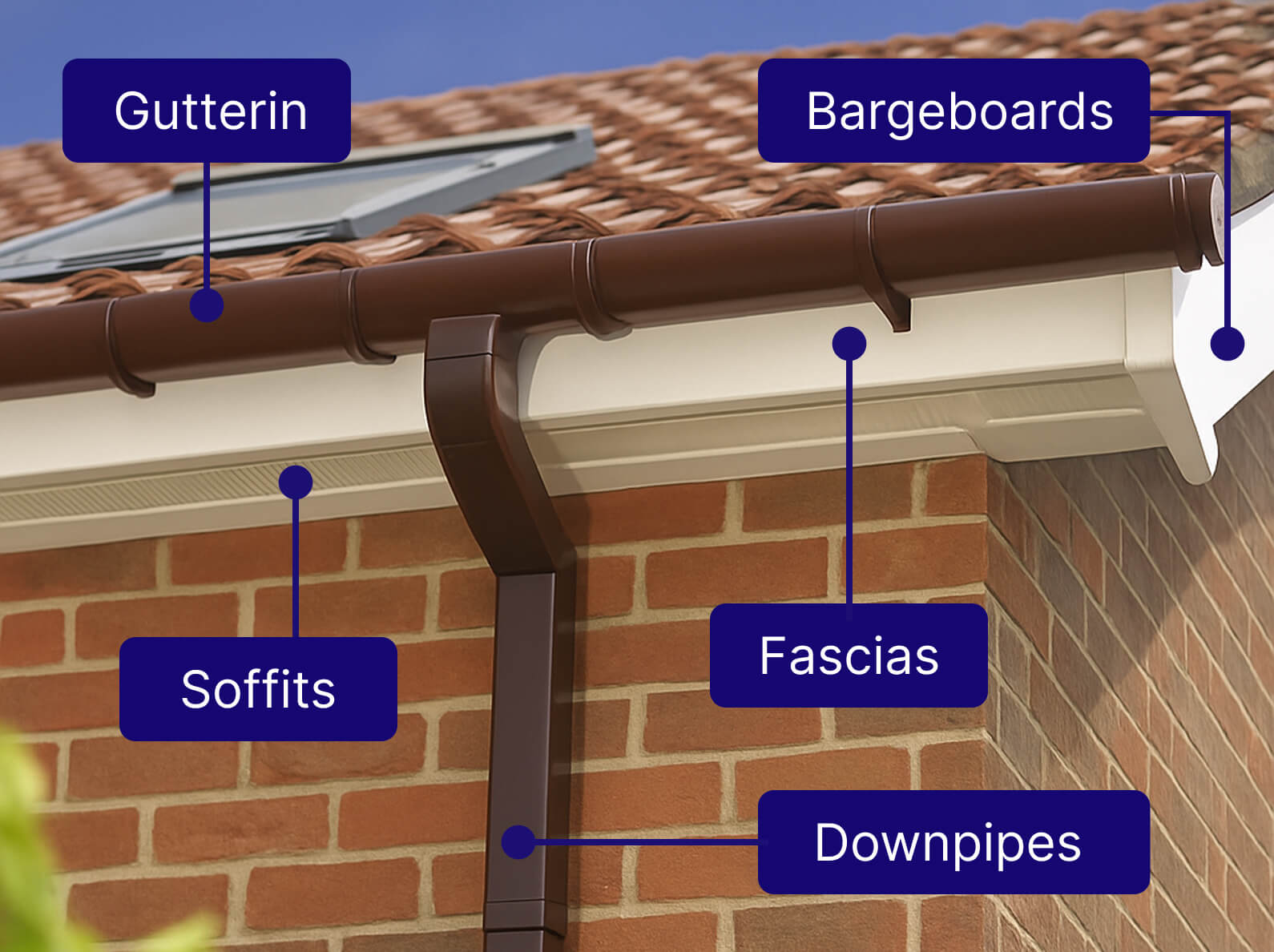
Bargeboards run up the sloping edge of a gable, and on most houses in East Anglia at least one gable faces straight into the weather. There is no gutter to shelter them, the verge tiles above them are often bedded in mortar that has cracked and lets water straight onto the top edge, and the lower ends sit in the splash from the roof. So the bargeboards go first: soft ends, split top edges, finials hanging on by their fixings, and on the estates of the 1960s to 1980s whole boards cupped and rotten from the back where nobody could see.
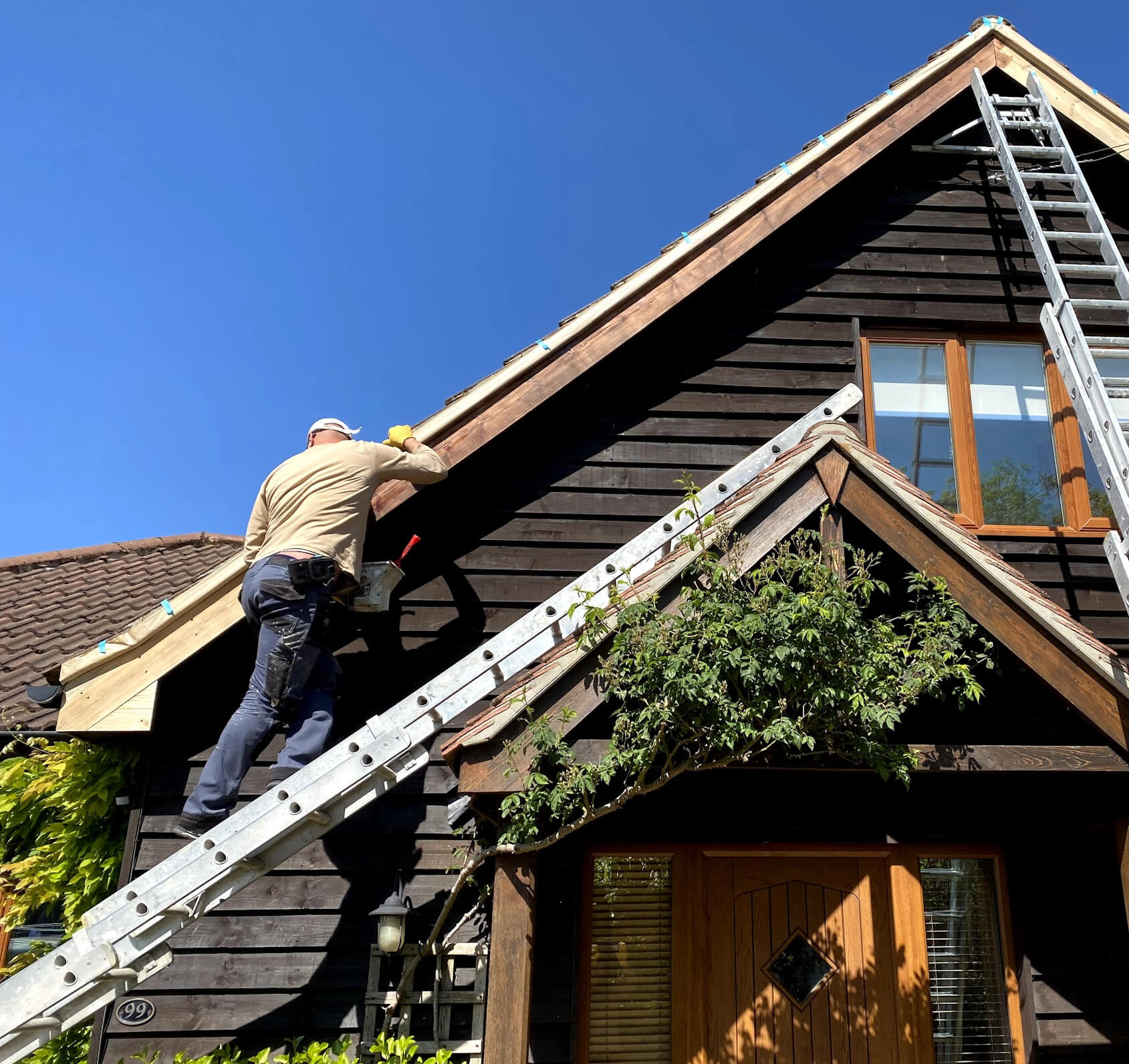
We repair bargeboards where the timber is worth saving, which on a decorative board it almost always is; we replace plain boards in timber, Accoya or uPVC where it is not; and we remake the verge above them so the new boards do not get wet the same way again.
Cambridge gables
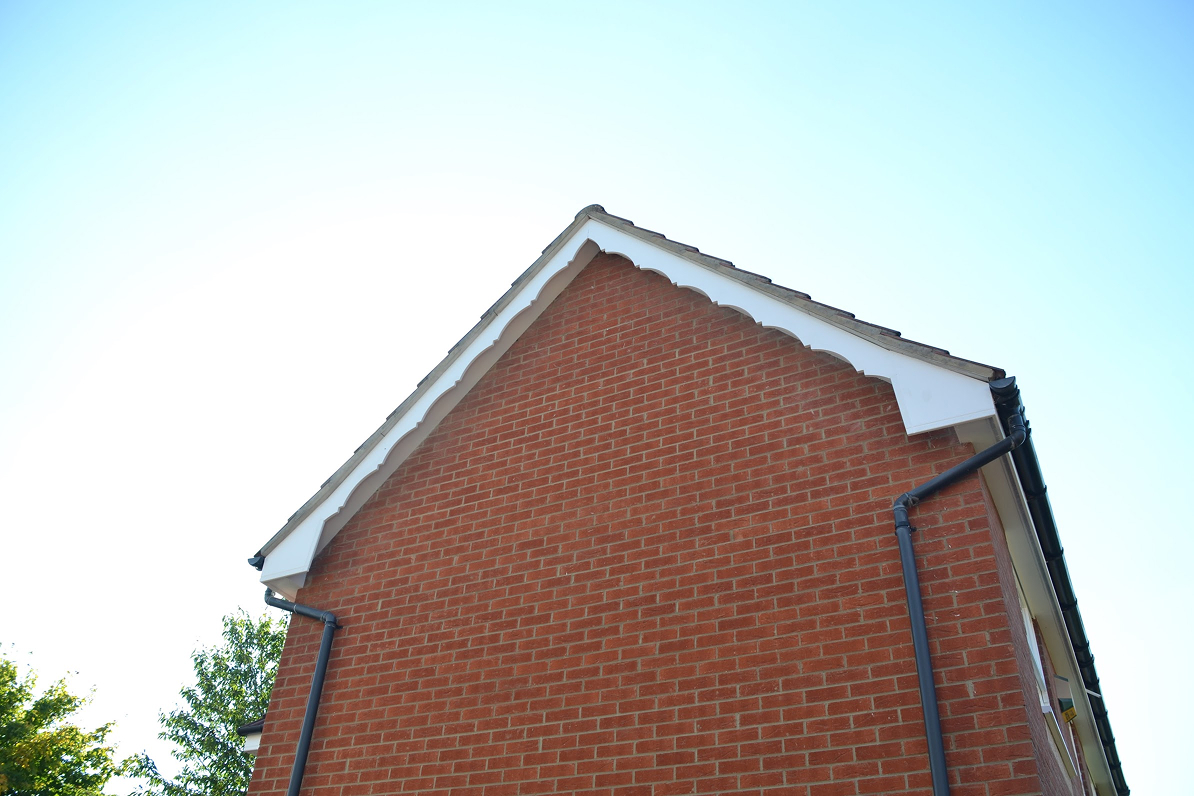
Cambridge is a city of gables. The Victorian villas of Chesterton, De Freville and the Hills Road avenues carry pointed, pierced and scalloped bargeboards with turned finials; the Edwardian semis of Romsey and Coleridge have plainer shaped boards; the 1930s houses of Cherry Hinton and Queen Edith’s have stepped or bullnosed boards on their front gables; the estates and the villages have plain boards on every end wall. Cambridge streets were built in runs, so when a decorative board is lost a match is almost always to hand on the opposite gable or a neighbour’s house, and we take the template from there. In the conservation areas a flat replacement may not be permitted on the street elevation; like-for-like repair or replication in timber needs no consent and is what we do on those houses as a matter of course.
Repair, restoration and replication
Cambridge, Norwich, Bury St Edmunds, Saffron Walden, Woodbridge — the older towns of this region are full of gables with shaped, pierced and moulded bargeboards, from the pointed Gothic boards of Victorian villas to the plainer scalloped boards on Edwardian semis and the stepped boards on 1930s houses. A flat replacement changes the face of the house and, in a conservation area, may not be permitted. Our approach is the same as for fascia repair:
- Splice repairs to the rotten lower ends and the finial joint, with new timber shaped from a template taken off the existing board so the pattern runs through.
- Consolidation of split and open-grained boards with a two-part flexible filler and a full repaint.
- Replication of lost boards from the surviving one — or from the opposite gable, or a neighbour's house — cut from Accoya or a durable softwood so the replica outlasts the original.
- Finials, pendants and drops repaired or turned new to match.
- Tricoya lamination for boards that are weathered all over but structurally sound.
Replacement in timber or uPVC
Where the boards are plain and past saving, we replace them. Painted softwood or Accoya keeps the house looking as it did; uPVC in white, black, anthracite or woodgrain gives a maintenance-free gable and matches a uPVC fascia and soffit along the eaves. In both cases the job includes:
- Removal of the old boards and the box-end where the bargeboard meets the fascia.
- Inspection of the gable ladder and the ends of the purlins and battens the board fixes to; rotten timber cut back and replaced.
- New bargeboard and soffit return, fixed with stainless screws or the correct polytop pins.
- The verge remade: mortar bedding repointed, or a dry-verge system fitted over the new board so the edge tiles are held mechanically and the top edge of the board stays dry.
- Timber primed on all faces before fitting and painted on completion.
Signs your bargeboards need attention
- Paint peeling or flaking along the top edge or at the lower ends.
- A gap opening between the bargeboard and the verge tiles, or mortar missing from the verge.
- A finial leaning, or a lower end that has dropped.
- Green algae or black staining on the board and on the wall below it — water is running down the face rather than off the roof.
- Birds getting in at the gable: a sure sign the board has come away from the tiles.
Our guide to the signs of fascia and soffit damage covers what to look for from the ground; bargeboards show the same symptoms earlier.
Bargeboard repair and replacement across East Anglia
We work throughout Cambridgeshire, Norfolk, Suffolk, Essex, Bedfordshire, Northamptonshire and Buckinghamshire — Cambridge, Ely and Peterborough; Norwich, King's Lynn and Thetford; Ipswich, Bury St Edmunds and Sudbury; Colchester, Chelmsford and Saffron Walden; Bedford, Luton and Leighton Buzzard; Northampton, Kettering and Corby; Milton Keynes, Aylesbury and Buckingham. A photograph of the gable from the ground with your postcode is enough for us to tell you whether it is a repair or a replacement, and roughly what it will cost.